Compare Local Contractors for Water Pooling Prevention Solutions
Compare local contractors for water pooling prevention to define project scope, verify experience, and set clear expectations for effective property drainage solutions.
Water pooling prevention involves a range of services aimed at managing drainage and improving landscape grading to ensure excess water flows away from structures and foundations. Contractors in this field typically assess existing terrain, identify areas prone to water accumulation, and implement solutions such as grading adjustments, installation of drainage systems, or surface modifications. The scope of work can vary depending on the property’s size, existing landscape features, and specific drainage issues, making it important to clearly define what needs to be addressed to achieve effective results.
Defining the scope of water pooling prevention work is essential for property owners to set clear expectations and ensure the project meets specific needs. A well-outlined scope helps determine which areas require attention, whether it’s improving yard grading, installing French drains, or adding surface drains. When engaging with local contractors, it’s beneficial to discuss the details of the project upfront, including the extent of work, desired outcomes, and any particular concerns about water flow or property features. Clear communication helps prevent misunderstandings and ensures that the work performed aligns with the property owner’s goals.
Property owners can compare local contractors for water pooling prevention by reviewing their experience with similar projects, verifying their familiarity with local terrain and drainage challenges, and examining the scope of services offered. It’s advisable to ask potential service providers about their approach to assessing drainage issues, the types of solutions they recommend, and how they handle unexpected challenges. Additionally, requesting written proposals that outline the scope of work, materials, and methods can provide a basis for comparison. By considering these factors, property owners can select contractors who are capable of delivering tailored solutions that address their specific water management needs.
Compare local contractors by outlining priorities, verifying experience, and clearly defining project scope and expectations in writing.
- Compare Service Providers - Review local contractors’ offerings and expertise to find suitable water pooling prevention solutions.
- Define Project Scope - Clearly outline the work needed to prevent water accumulation and avoid misunderstandings.
- Verify Experience - Check contractors’ backgrounds to ensure they have relevant experience with water management solutions.
- Set Expectations in Writing - Document all project details, responsibilities, and outcomes to ensure clarity and accountability.
Compare local contractors by clearly describing your project scope, verifying their experience, and setting expectations in writing before choosing a water pooling prevention solution.
- Assess drainage solutions - ensure contractors can implement effective grading and drainage systems to prevent water accumulation.
- Verify experience with water management - look for service providers experienced in installing or repairing drainage and waterproofing measures.
- Review scope of work in writing - confirm that the project details, including drainage improvements, are clearly documented in the contract.
- Evaluate site assessment practices - choose contractors who perform thorough evaluations to identify potential water pooling issues before work begins.
- Check for proper installation techniques - ensure service providers use appropriate methods to install drainage systems that prevent water buildup.
- Compare warranties and guarantees - look for contractors offering written assurances on their water pooling prevention work.
Compare local contractors’ experience and clarify scope to ensure effective water pooling prevention solutions.
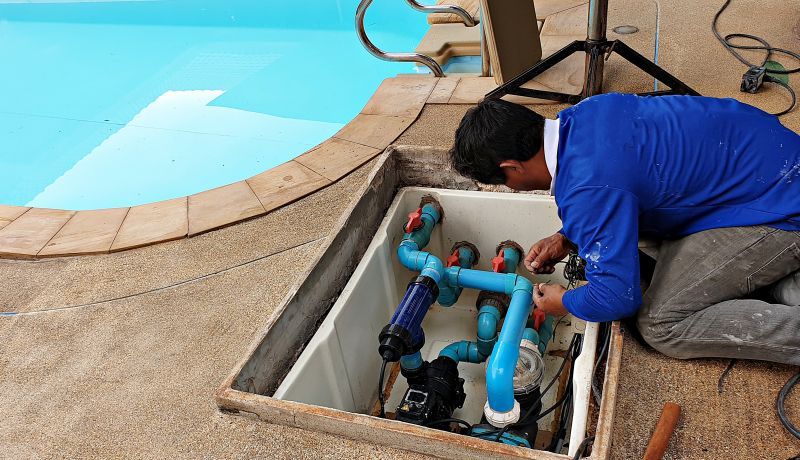
Learn how to compare local contractors for water pooling prevention by defining scope, verifying experience, and setting clear expectations.
- Identify potential causes of water pooling - define common issues such as drainage problems or uneven surfaces that may lead to pooling.
- Determine necessary drainage solutions - specify the types of drainage improvements or modifications needed to prevent water accumulation.
- Assess existing site conditions - evaluate the current landscape, slope, and surface materials to inform effective water runoff strategies.
- Outline scope of work in writing - clearly describe the tasks, materials, and areas involved to ensure mutual understanding with service providers.
- Verify experience with water pooling prevention - confirm that local contractors have relevant expertise in drainage and site grading to handle the project effectively.
When evaluating contractors for water pooling prevention, it’s essential to consider their experience with similar projects. Homeowners should inquire about the types of properties or landscapes the service providers have worked on previously, paying attention to their familiarity with drainage solutions and grading techniques that address water accumulation issues. Contractors with a proven track record in handling projects comparable in scope and complexity are more likely to understand the unique challenges of a specific site and deliver effective solutions.
A clear, written scope of work is a vital component of a successful project. Homeowners should seek detailed descriptions of the tasks involved, including assessments, proposed methods for drainage improvements, and specific responsibilities of the contractor. A comprehensive scope helps ensure all parties have aligned expectations and provides a basis for evaluating whether a service provider’s approach matches the project’s needs. It also serves as a reference point to clarify deliverables and prevent misunderstandings during the work process.
Verification basics involve confirming that contractors have a history of completing similar projects successfully. Homeowners should ask for references or case studies that demonstrate prior experience with water pooling prevention. Additionally, requesting documentation of past projects or client contacts can help verify a contractor’s ability to deliver quality results. While licensing and certification are not the focus here, understanding a contractor’s background in similar work provides insight into their competence and reliability for the specific task.
When comparing options, homeowners should focus on how well each service provider’s approach aligns with the project’s requirements, as well as the clarity of their communication and scope. Evaluating the level of detail in proposals, the completeness of the scope of work, and the contractor’s ability to explain their methods can help distinguish between options. Ensuring that expectations are outlined in writing and that the contractor’s experience matches the project’s needs can lead to a smoother process and more effective water pooling prevention solutions.
Ask contractors to provide written scope and expectations to ensure clarity and consistency in water pooling prevention work.
- Scope of Work Clarification - What specific water pooling prevention measures are included in each contractor’s scope?
- Experience and Expertise - How do contractors demonstrate their experience with water pooling prevention projects?
- Comparison of Approaches - What methods or techniques do different service providers recommend for preventing water pooling?
- Material and Method Details - What materials and installation practices do local contractors plan to use to ensure effective water drainage?
- Written Scope and Expectations - How will scope details and project expectations be documented to ensure clarity and accountability?
What should I consider when comparing contractors for water pooling prevention? It's important to review their experience with similar projects, verify their understanding of your property's needs, and ensure they provide clear, written scope of work to set proper expectations.
How can I define the scope of water pooling prevention work? Clearly outline the areas affected, desired outcomes, and specific tasks needed, then communicate these details to potential contractors to ensure they understand your requirements.
What questions should I ask contractors about their experience? Inquire about their past projects related to water pooling issues, the methods they typically use, and whether they have handled properties similar to yours.
Why is it important to get work details in writing? Having a written agreement helps clarify the scope, responsibilities, and expectations, reducing misunderstandings and ensuring everyone is on the same page.
How can I verify a contractor’s expertise in water pooling prevention? Request references or examples of previous work, and consider their familiarity with local drainage solutions and common pooling issues in your area.
What should I do before hiring a contractor for water pooling prevention? Compare multiple service providers, review their experience and scope of work, and ensure all project details are documented to facilitate an informed decision.
By reviewing the information provided, visitors can better understand the importance of selecting experienced contractors for water pooling prevention. They learned how to clearly define the scope of work, verify the background of service providers, and establish written expectations to ensure a smooth project process. Utilizing the quote form allows for easy comparison of local contractors, helping to identify options that meet specific needs.
Taking the time to compare local contractors through the quote form enables visitors to connect with service providers capable of addressing water pooling concerns effectively. Gathering multiple options makes it easier to evaluate different approaches and find the right fit for the project. This process supports making informed decisions based on the scope and experience of available local contractors.