Compare Local Contractors for Storm Water Drainage Services
Compare local contractors for storm water drainage to define project scope, verify experience, and set clear expectations in writing for a successful job.
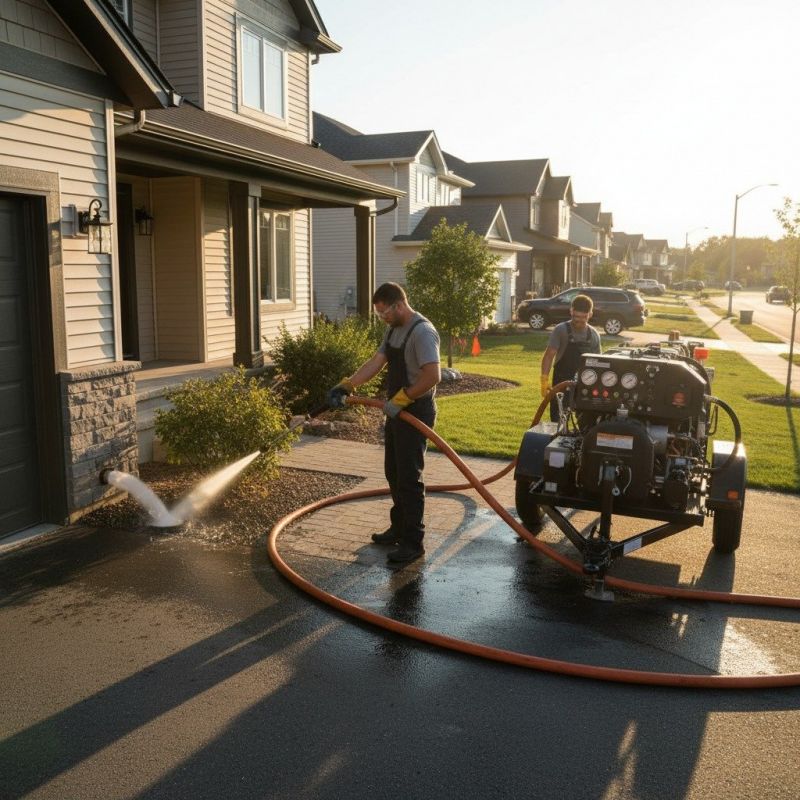
Storm water drainage services typically encompass the design, installation, repair, and maintenance of systems that manage excess rainwater and runoff on a property. This work may include installing or upgrading underground drainage pipes, catch basins, stormwater inlets, and surface grading to direct water away from foundations and other vulnerable areas. Proper drainage helps prevent flooding, erosion, and water damage, making it an essential part of maintaining the integrity and safety of residential or commercial properties.
Clearly defining the scope of storm water drainage work is important to ensure that property owners and contractors share the same expectations. A well-outlined scope specifies the tasks involved, such as site assessment, system design, installation procedures, and any necessary repairs or upgrades. Having these details in writing helps avoid misunderstandings, ensures that all necessary components are included, and provides a basis for evaluating the quality and completeness of the work once completed.
Property owners can compare local contractors by reviewing their experience with similar drainage projects, verifying their understanding of local conditions, and assessing the clarity of their proposals. It’s helpful to ask potential service providers to detail their approach to scope definition, including the steps they take to assess site needs and how they communicate project plans. Checking references or past work can also provide insight into their reliability and craftsmanship. When evaluating contractors, paying close attention to how thoroughly they define the scope and how well they can explain their process can support making an informed decision suited to the specific drainage needs of the property.
Compare local contractors by outlining project priorities, verifying experience, and setting clear expectations in writing.
- Compare Contractors - review multiple local service providers to find the best match for storm water drainage needs.
- Define Scope Clearly - outline specific project requirements to ensure all parties understand the work involved.
- Verify Experience - check the background and past work of contractors to assess their expertise in drainage services.
- Set Expectations in Writing - document project details and agreements to promote clarity and accountability.
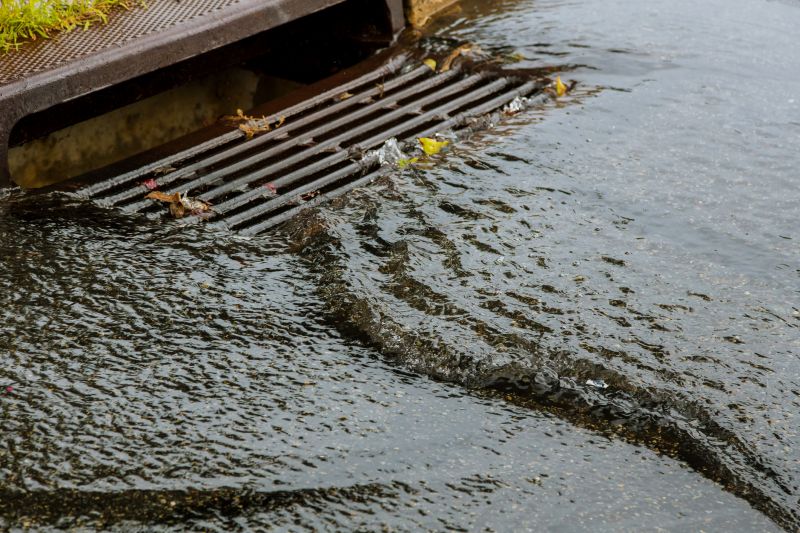
Compare local contractors by clearly describing your storm water drainage project, defining scope, verifying experience, and setting expectations in writing.
- Verify experience and expertise in storm water drainage services to ensure proper handling of the project. - Look for service providers with a proven track record in installing, repairing, or maintaining storm water drainage systems.
- Define the scope of work clearly and ensure it is detailed in the written agreement with the contractor. - Clarify responsibilities, materials, and specific drainage solutions to prevent misunderstandings.
- Check references or reviews to assess the quality of work completed by the contractor for similar projects. - Gather insights on reliability, professionalism, and workmanship from previous clients.
- Ensure the contractor provides a comprehensive plan outlining the proposed drainage system and methods. - Review the plan to confirm it addresses site-specific drainage challenges and compliance requirements.
- Confirm that the contractor has appropriate insurance coverage to protect against potential damages or liabilities. - Verify insurance details to minimize risk and ensure coverage for the work performed.
- Compare multiple service providers to evaluate experience, scope, and approach before making a selection. - Use comparisons to identify the best suited contractor for the storm water drainage needs.
Compare local contractors, clarify project scope, verify experience, and set clear expectations in writing.
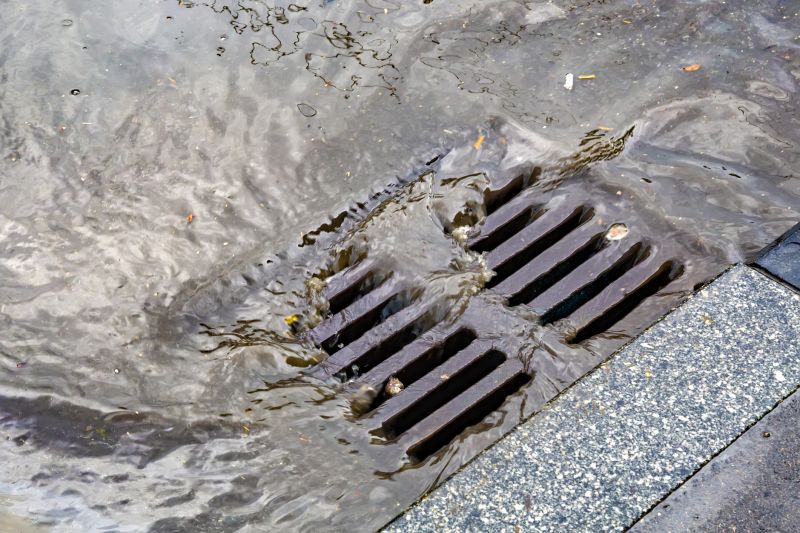
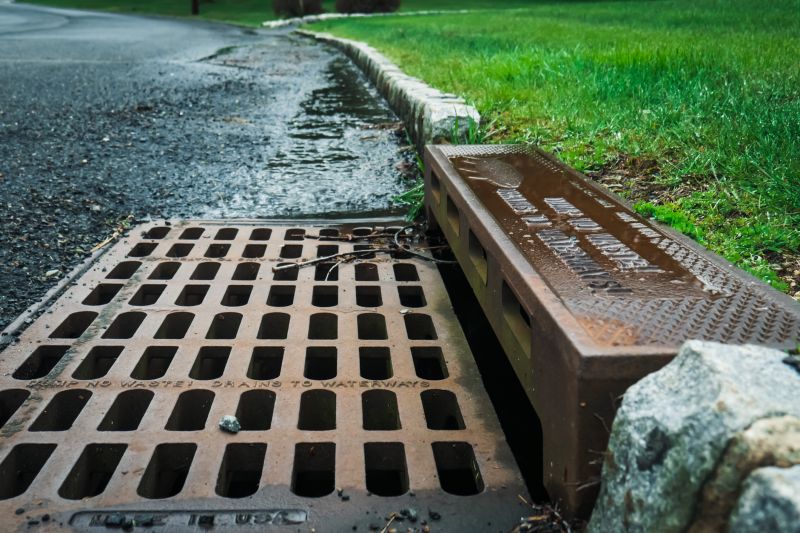
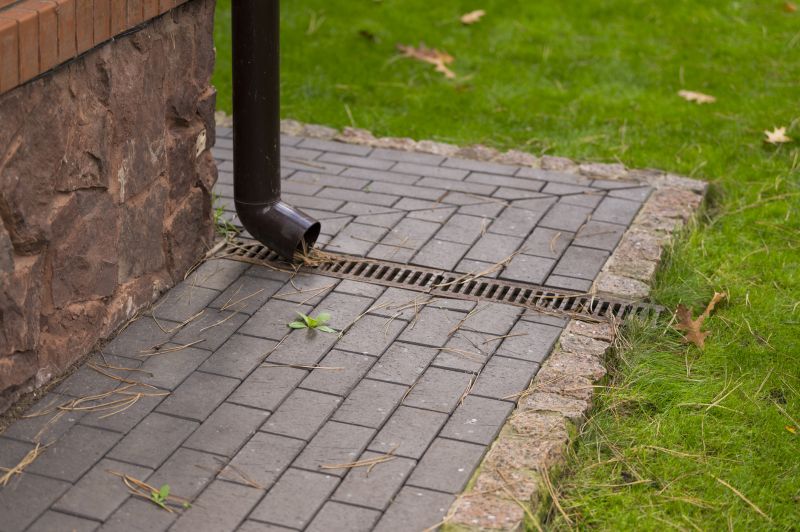
This scope builder helps compare local contractors, define project details, verify experience, and set clear expectations in writing.
- Scope Definition - Clearly outline the specific storm water drainage services required for the project.
- Experience Verification - Confirm that the service providers have relevant experience handling similar storm water drainage systems.
- Material and Equipment Details - Specify the types of materials and equipment to be used during the installation or repair.
- Work Standards and Expectations - Establish clear standards for work quality, safety protocols, and project outcomes in writing.
- Comparison and Selection Criteria - Develop criteria to compare local contractors based on scope, experience, and scope of services offered.
When evaluating contractors for storm water drainage services, it is important to consider their experience with similar projects. Homeowners should inquire about how many jobs they have completed that involve drainage systems comparable in size and complexity to the current project. Understanding a contractor’s background in handling specific site conditions, such as slope variations or soil types, can provide insight into their familiarity with challenges that may arise. A contractor with a proven track record in similar work is more likely to deliver results that meet expectations and address the unique needs of the property.
A clear, written scope of work is essential when comparing service providers. Homeowners should seek detailed descriptions of the tasks involved, including the specific drainage solutions proposed, materials to be used, and the extent of site preparation or excavation. Having a comprehensive scope helps to establish shared understanding and reduces the risk of misunderstandings or scope creep later in the project. Service providers who can articulate their approach in writing demonstrate professionalism and a commitment to transparency.
Verification basics involve confirming that the contractor has the necessary experience and a solid understanding of storm water drainage requirements. Homeowners can ask for references or examples of completed projects, and verify that the contractor’s work aligns with local standards and best practices. It’s also helpful to review any available documentation, such as project plans or diagrams, which can provide assurance that the contractor has thoroughly planned the work. These verification steps help ensure that the chosen service provider has the competence to handle the project effectively.
When comparing options, homeowners should focus on evaluating each contractor’s approach, experience, and clarity of communication. It’s important to review the scope of work, ask for detailed explanations of proposed solutions, and confirm that the contractor understands the specific site conditions. By assessing how well each service provider articulates their plan and demonstrates relevant experience, homeowners can make informed decisions based on the quality and professionalism of the proposals, rather than price alone. This approach helps ensure that the selected contractor can deliver the desired results for storm water drainage improvements.
Ask contractors to provide written scope details to ensure clear understanding and consistent expectations.
- Scope of Work - What specific storm water drainage services do the contractors include in their scope?
- Experience and Expertise - How do the contractors demonstrate their experience with similar storm water drainage projects?
- Comparison of Services - What are the key differences in the services offered by various local service providers?
- Scope Clarification - How can the scope of the project be clearly defined and documented in writing?
- Qualifications and References - What qualifications or references can the contractors provide to verify their capability?
How can I compare storm water drainage contractors effectively? To compare contractors, review their experience, verify references, and ensure their scope of work aligns with project needs. Gathering multiple quotes and asking for detailed written proposals can help in making an informed decision.
What should I consider when defining the scope of storm water drainage work? Clearly outline the specific tasks required, such as drainage design, installation, or repair, and communicate any site-specific conditions. A detailed scope helps ensure contractors understand expectations and deliver consistent results.
How can I verify a contractor’s experience with storm water drainage projects? Request information about their past projects, including references or case studies, to assess their familiarity with similar work. Checking for relevant project history can provide confidence in their capabilities.
Why is it important to get written estimates and scope of work from contractors? Written documentation helps clarify project details, expectations, and responsibilities, reducing misunderstandings. It also provides a basis for comparing services and ensuring all aspects are covered.
What questions should I ask contractors during the selection process? Inquire about their experience, methods, materials used, and how they handle unexpected issues. Asking these questions can reveal their approach and suitability for the specific storm water drainage needs.
How can I ensure that the contractor understands my project requirements? Communicate your expectations clearly in writing, including scope, design preferences, and any site considerations. Confirm that the contractor acknowledges and agrees to these details before work begins.
Understanding the importance of selecting the right contractor for storm water drainage services is key to ensuring the job meets your needs. Visitors have learned how to define the scope of work clearly, verify the experience of local contractors, and set expectations in writing to facilitate a smooth process. Comparing different service providers helps in making informed decisions and finding the best match for your project requirements.
To explore your options, use the quote form to connect with local contractors who specialize in storm water drainage. This allows for straightforward comparisons of available service providers, helping to identify those best suited to handle the scope of your project. Taking the time to evaluate local professionals can lead to a more confident and well-informed choice.